


jakafe
Brazil - Fazenda Sao Silvestre - Andrade Family - Pulped natural
Brazil - Fazenda Sao Silvestre - Andrade Family - Pulped natural
In stock
Prices are listed per 1kg excluding VAT and are subject to final approval.
GrainPro 60 kg packaging
🏞️ Region and terroir – Cerrado Mineiro
Fazenda São Silvestre is located in Serra do Salitre, in the Brazilian state of Minas Gerais, within the Cerrado Mineiro region. It is one of Brazil’s most important coffee-growing regions, known especially for its balanced, sweet, chocolatey and nutty Arabicas.
Coffee plants here grow at altitudes of approximately 1,100 to 1,250 meters above sea level. The region has a characteristic tropical climate with clearly defined rainy and dry seasons. This alternation is very important for coffee: the rainy season supports the growth and development of the coffee plants, while the drier season allows the cherries to ripen evenly and be harvested.
The soils in the area are rich in minerals and, in places, of volcanic origin. Together with the suitable altitude and stable climate, they create conditions for producing coffee with good structure, sweetness and low to mild acidity.
Unlike some high-altitude coffees from Colombia or Ethiopia, Cerrado Mineiro’s character is not primarily defined by pronounced fruity acidity. Instead, its typical profile features chocolate, nut and caramel notes, a fuller body and a clean, harmonious cup.
This is precisely the character São Silvestre is known for. Pulped Natural processing enhances the bean’s natural sweetness and creates a pleasantly creamy flavor profile.
🌄 Cerrado Mineiro – Brazil’s coffee-growing tradition
Cerrado Mineiro extends across the western part of the state of Minas Gerais and is one of Brazil’s key regions specializing in high-quality Arabica production.
The history of coffee growing here is closely linked to the development of family farms and the gradual adoption of modern agricultural and post-harvest practices.
The region is known for relatively stable climatic conditions and a pronounced dry season during harvest. This allows producers to plan harvesting and drying more effectively, which is especially important for Natural and Pulped Natural coffees.
Catuaí, Bourbon and Icatu are traditionally grown in Cerrado Mineiro. These varieties are valued for their flavor potential, sweetness and ability to deliver consistent results.
Coffee from this region is often associated with notes of chocolate, nuts, caramel and cocoa. Its lower acidity and fuller body make it particularly well suited to espresso and milk-based coffee drinks.
São Silvestre is one example of a farm that combines traditional Brazilian coffee growing with a focus on specialty quality and modern processing.
👨🌾 Fazenda São Silvestre – the story of the Andrade family
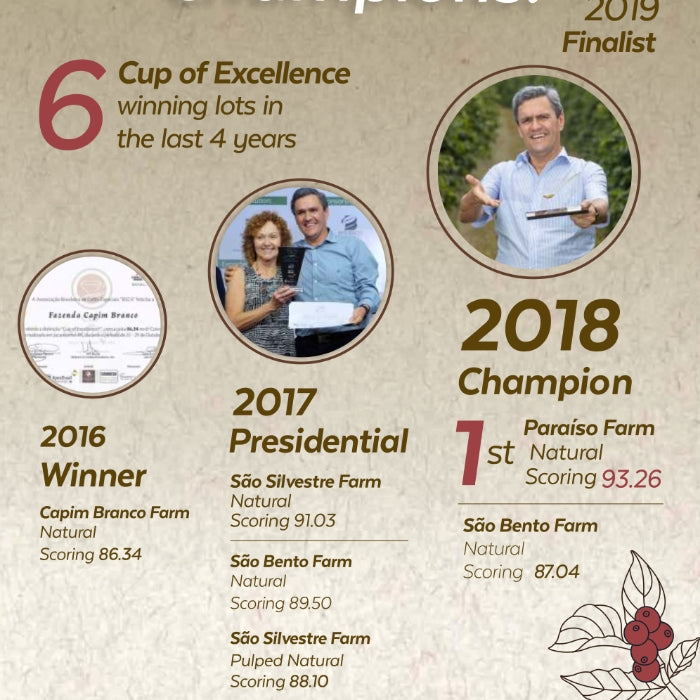
The Andrade family has been a long-standing coffee producer in Brazil’s Cerrado Mineiro region. Its history dates back to 1901, when the family’s ancestors began farming at Fazenda Capim Branco in the Carmo do Paranaíba area.
In the 1970s, a new generation of the family began developing high-quality coffee production in the region. In the early 1990s, brothers Ismael and Eduardo Andrade expanded their operations and acquired Fazenda São Silvestre in Serra do Salitre.
The family’s goal was to increase the quality and volume of production while also developing new coffee processing methods.
Today, the Andrade family is among Brazil’s well-known specialty coffee producers and, through Andrade Bros, works with importers and roasters around the world.
The family focuses on direct trade relationships, traceability of origin and quality control from cultivation through to export.
What defines the Andrade family’s approach?
- A long-standing tradition: More than a century of coffee-growing history within the family.
- Quality control: Selecting ripe cherries, sorting the beans and carefully managing post-harvest processing.
- Advancing processing: The family experiments with different methods, including Pulped Natural, Natural processing and fermentation techniques.
- Direct trade: Andrade Bros maintains direct relationships with customers and exports its own production.
Fazenda São Silvestre thus represents a blend of family tradition, knowledge of the local terroir and a modern approach to specialty coffee production.
🌱 Varieties – Catuaí, Bourbon and Icatu
Several Arabica varieties well suited to the conditions of Cerrado Mineiro are grown at Fazenda São Silvestre.
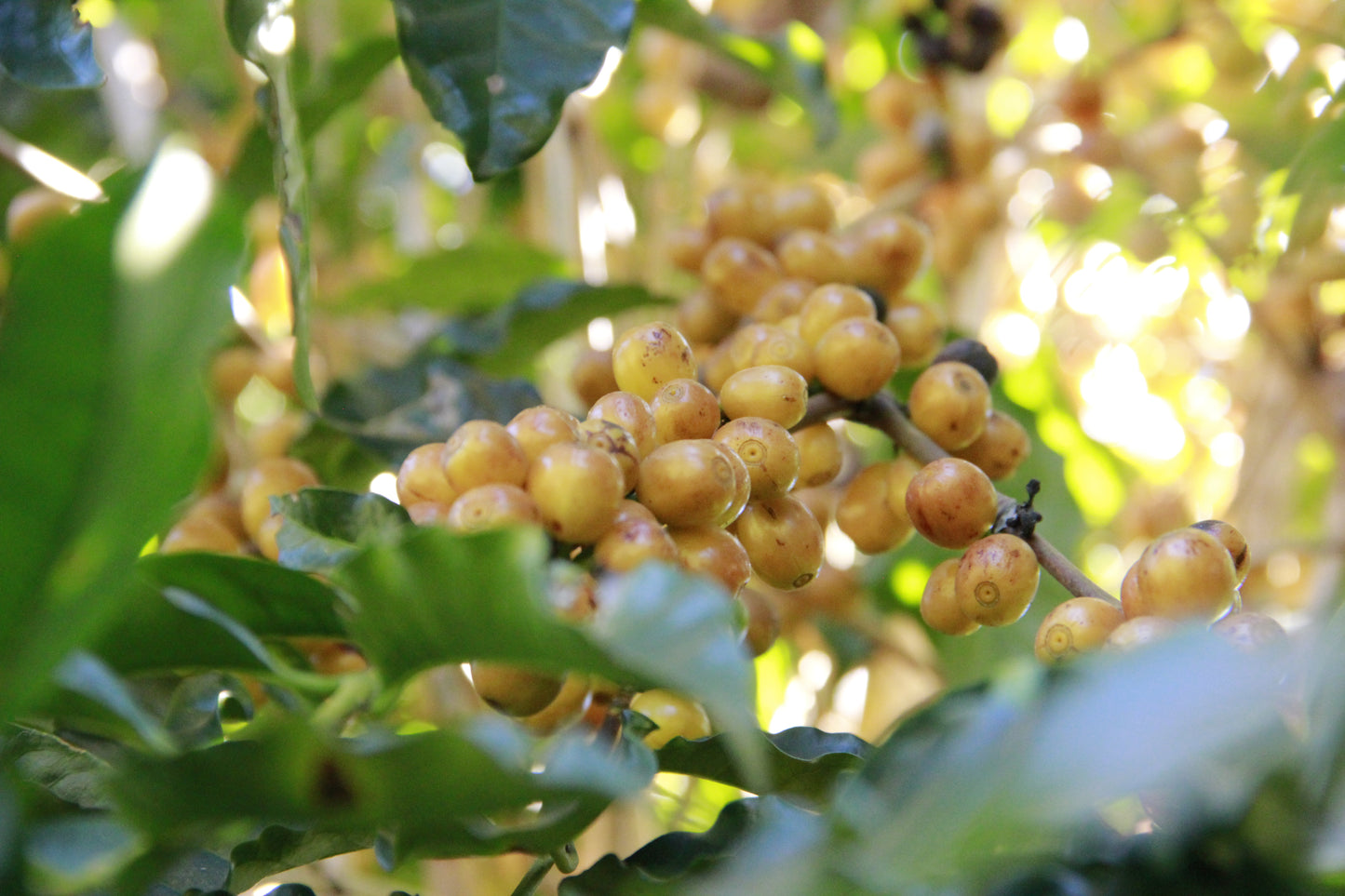
The exact proportions of each variety may vary between the lots offered, depending on the harvest and the specific selection. Varieties listed for São Silvestre Pulped Natural include Yellow Catuaí, Red Catuaí, Yellow Bourbon and Yellow Icatu.
Yellow Catuaí and Red Catuaí
Catuaí is one of Brazil’s important Arabica varieties. It was created by crossing Mundo Novo and Caturra and is valued for its compact growth and good adaptability to growing conditions.
Yellow and Red Catuaí differ mainly in the color of their ripe cherries. Both varieties are widely grown in Brazil and, when cultivated well, produce sweet, balanced coffees with chocolate and nutty character.
Yellow Bourbon
Bourbon is one of the traditional Arabica varieties, known for its sweet and harmonious flavor profile.
Under Brazilian growing conditions, it can offer pleasant notes of caramel, chocolate and sweet nuts. These qualities pair particularly well with Pulped Natural processing.
Yellow Icatu
Icatu is a Brazilian variety created by crossing Arabica with Robusta genetic material. It was bred to improve the resilience and adaptability of coffee plants.
At São Silvestre, it is part of the farm’s traditional varietal mix and contributes to the diversity of its production.
⚙️ Pulped Natural – what does this processing method mean?
Pulped Natural is a coffee processing method that combines some elements of the washed and Natural processes.
In Brazil, it is also often called Honey, although the precise methods can vary from farm to farm.
The basic principle is to remove the outer skin and most of the pulp from the coffee cherry, while leaving some of the sweet, sticky layer known as mucilage on the bean as it dries.
This layer contains sugars and other compounds that affect fermentation during drying and contribute to the final flavor profile.
Pulped Natural usually produces coffee with a cleaner profile than classic Natural processing, but with a fuller body and more pronounced sweetness than traditional washed processing.
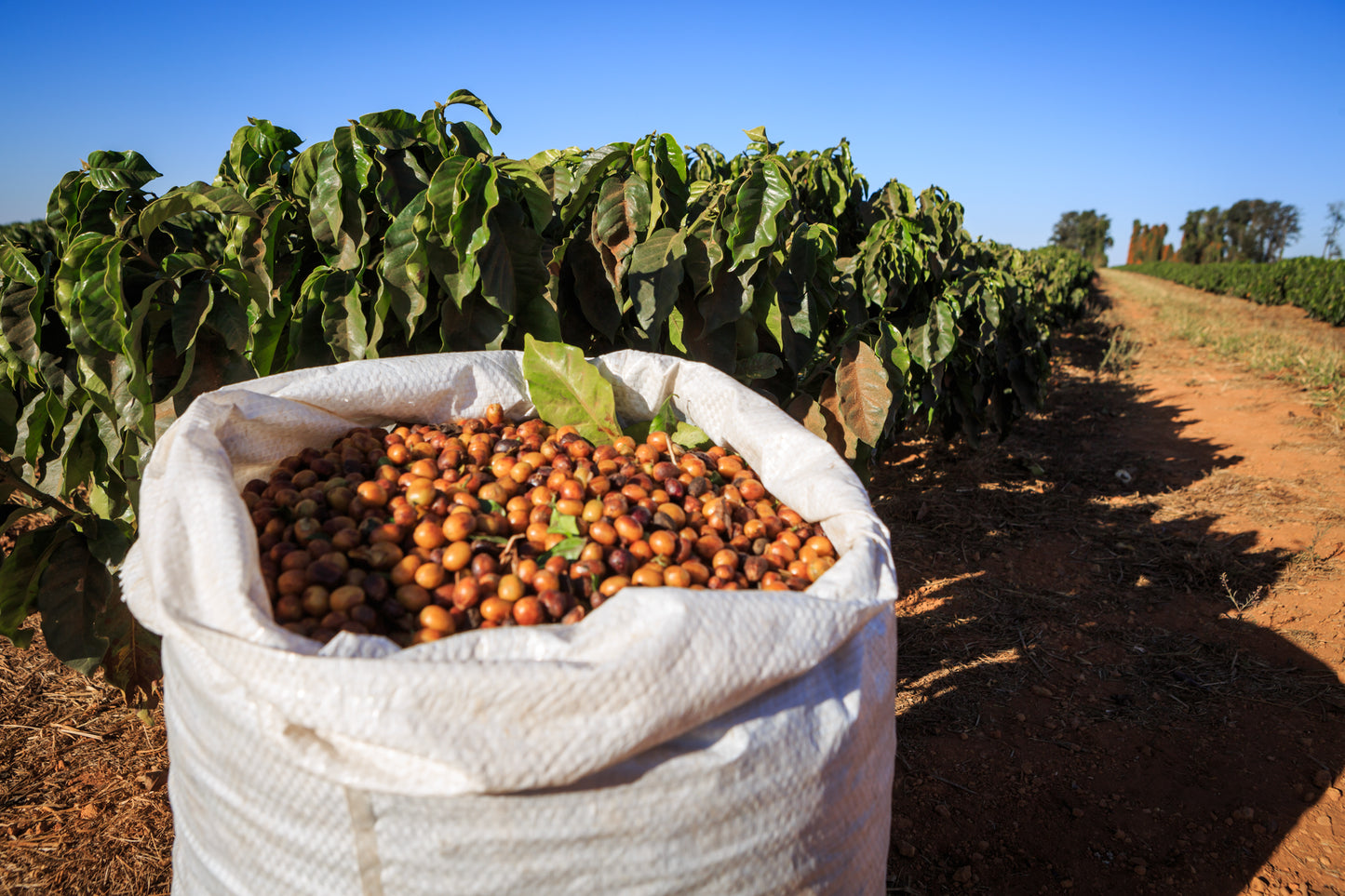
1. Harvesting ripe cherries
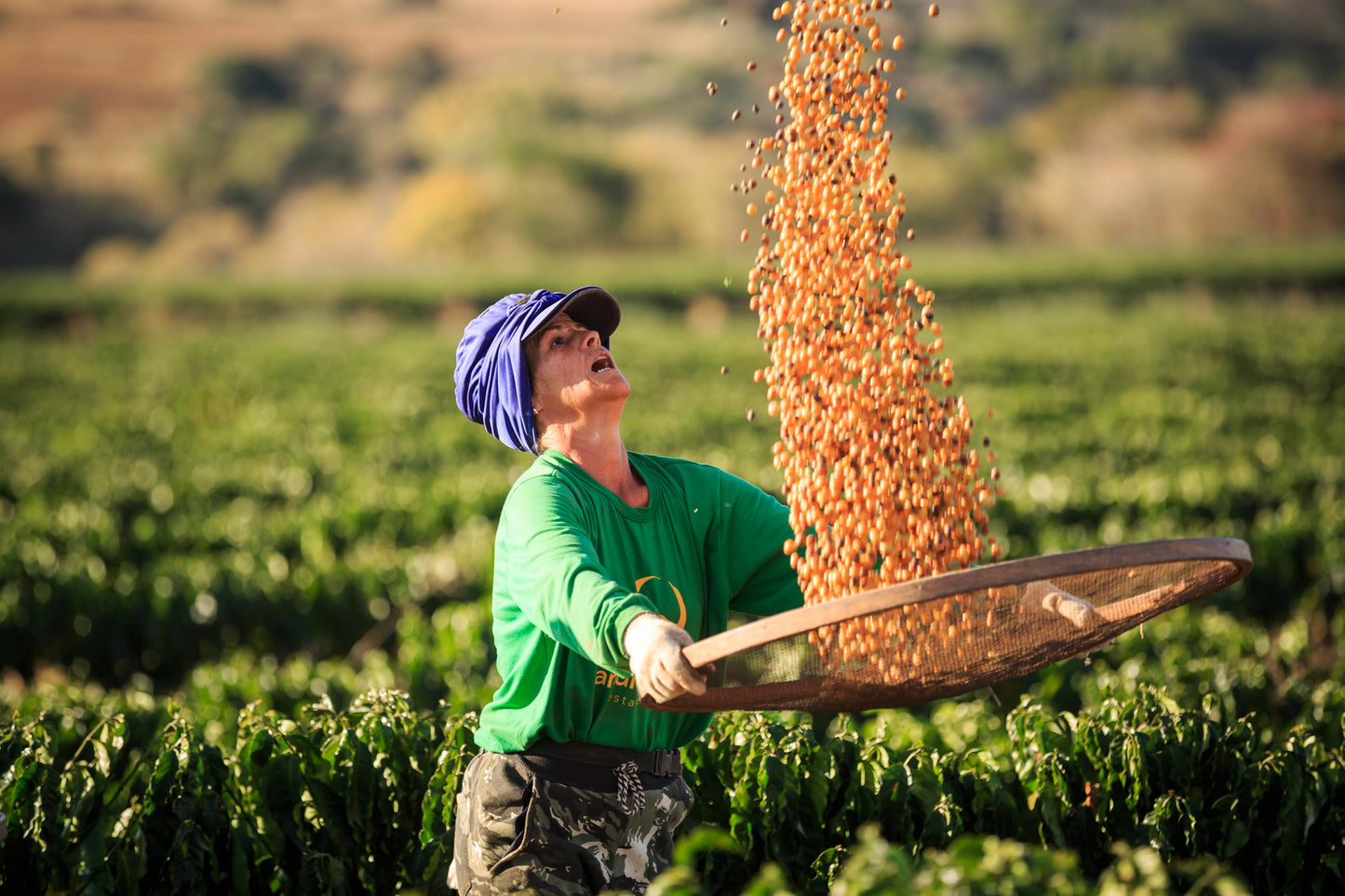
Selecting ripe coffee cherries is essential to producing a high-quality lot.
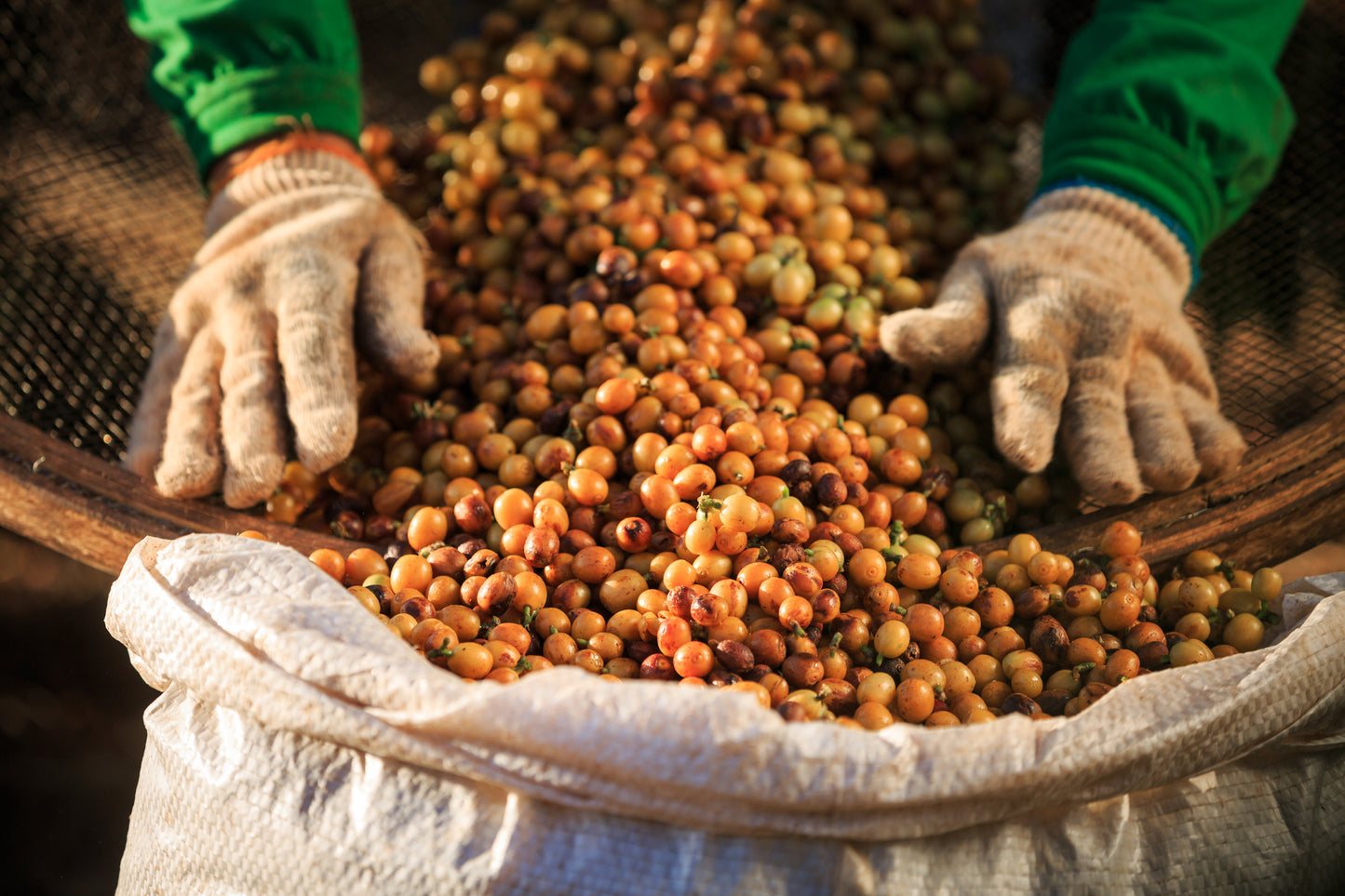
The cherries are harvested and sorted on the farm so that only high-quality, sufficiently ripe fruit proceeds to the next stage of processing.
Proper ripeness is important for the coffee’s final sweetness and consistency.
2. Removing the skin and part of the pulp
After harvesting, the cherries are processed in a depulping machine, which removes the outer skin and most of the pulp.
However, some of the sweet mucilage remains on the bean, containing natural sugars and other soluble compounds.
Retaining this layer is the main difference from fully washed processing.
3. Drying with the remaining mucilage
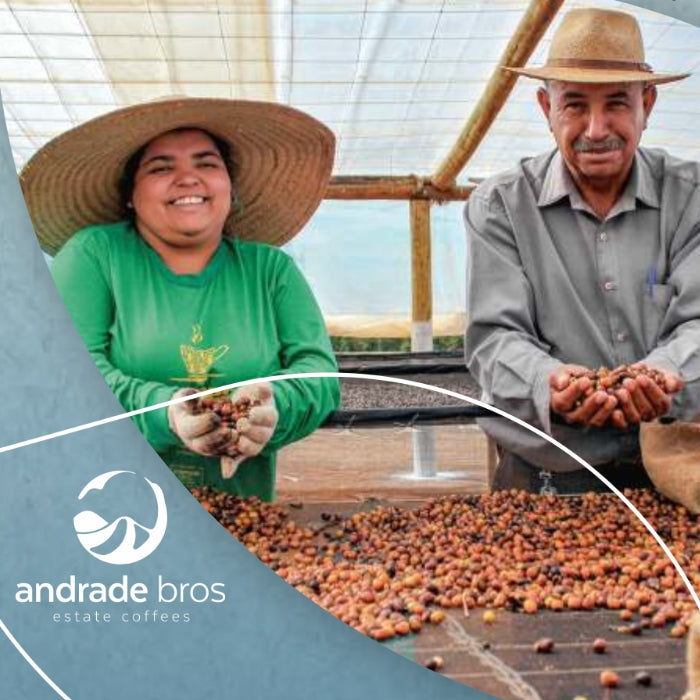
The prepared beans are sun-dried, with some of the pulp remaining on their surface.
During drying, moisture levels gradually decrease while natural fermentation processes take place.
At São Silvestre, the coffee is naturally dried during the Brazilian harvest season, when more stable weather and lower rainfall make it possible to carefully control the drying process.
This method helps preserve the bean’s sweetness, contributes to a fuller body and enhances its chocolate and caramel character.
4. Removing the parchment and sorting
Once dry, the parchment layer surrounding the green coffee bean is removed.
The beans are then sorted by size, density and quality. Defective beans are removed to ensure the final export lot meets the required consistency standards.
The result is green coffee ready for export and subsequent roasting.
Flavor profile: creamy caramel, gingerbread, hazelnut and milk chocolate
Country of origin: Brazil
Region: Cerrado Mineiro region
Farm: Sao Silvestre
Farmer: Andrade family
Altitude: 1,250 m above sea level
Variety: Yellow Catuaí, Red Catuaí, Yellow Bourbon and Yellow Icatu
Processing: Pulped Natural
Screen: 16+
Cupping Score: 83.75
Crop: 2026/2027

Ask for quantity and price
Please also include the specific product you are interested in in the text.